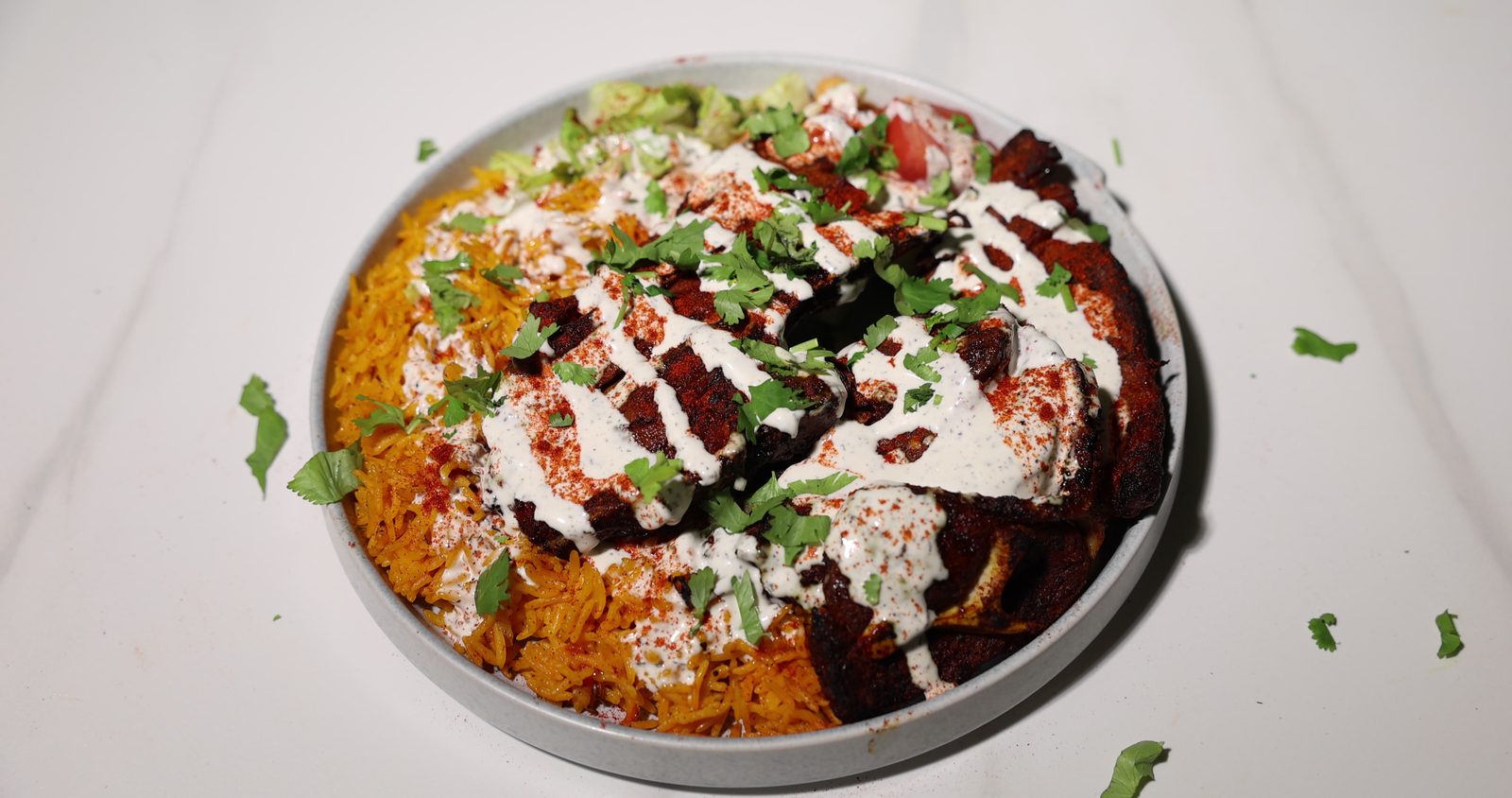
Most small businesses need reels first and a brand film second. Reels are short, frequent videos that keep you in front of people every week and reach new customers on Instagram, TikTok and Facebook. A brand film is one longer, carefully made video that tells the whole story of your business, and it does its best work on your website, in ads, on a screen in your store and anywhere people are deciding whether to trust you. If you can only do one right now, start with reels. If people already know you but do not understand what makes you different, make the film.
What a reel is for
A reel is a short vertical video, usually under a minute, made to be watched on a phone while scrolling. Its job is to stop the thumb, show one thing well and leave people wanting more. One dish coming off the grill. One product being opened. One before and after.
Reels work through repetition. One on its own rarely changes much; a steady stream over months builds recognition, keeps your name in front of locals and gives the platforms a reason to show you to new people. They are also quick to react with: a new item, a busy weekend, a holiday.
What a brand film is for
A brand film is a single piece, often between one and three minutes, with a short cut for social. It is planned like a small production: a story, a shot list, a voice or interviews, careful editing. Its job is different. Instead of catching attention for a second, it holds it long enough to explain who you are, what you care about and why someone should choose you over the place down the street.
Because it is built to last, a brand film earns its keep over a long time. It sits at the top of your website, plays in your store, opens a pitch to a corporate client, runs as an ad, and gets cut into smaller clips for social media.
Side by side
- Length: reels are seconds long; a brand film runs a minute or more, plus shorter cuts.
- How often: reels go out every week; a brand film is made once and used for a long time.
- Where it lives: reels live on social feeds; a brand film lives on your website, in ads, in-store screens and pitches.
- What it does: reels build reach and familiarity; a brand film builds trust and explains what makes you different.
- How it is made: reels can be batched from one shoot day; a brand film needs planning, a story and more time in the edit.
Reels get you noticed. A brand film gets you chosen. Most businesses need both, just not on the same day.
Which one to make first
- 01
Start with reels if people do not know you yet
A new restaurant, shop or service in a busy New York neighborhood first needs to be seen. Short, regular videos of what you sell are the fastest way to get there.
- 02
Make a brand film if people know you but do not get you
If customers think you are just like the others, or bigger clients need convincing, a film that shows your people, your standards and your story does that better than a feed.
- 03
Make the film before a big moment
Opening a new location, launching a product, pitching for catering or corporate contracts, or rebuilding your website are all good times. The film becomes the centerpiece of the launch.
- 04
Plan them together when you can
One well-planned shoot can capture footage for both: the longer story for the film and dozens of short moments for reels.
How the two work together
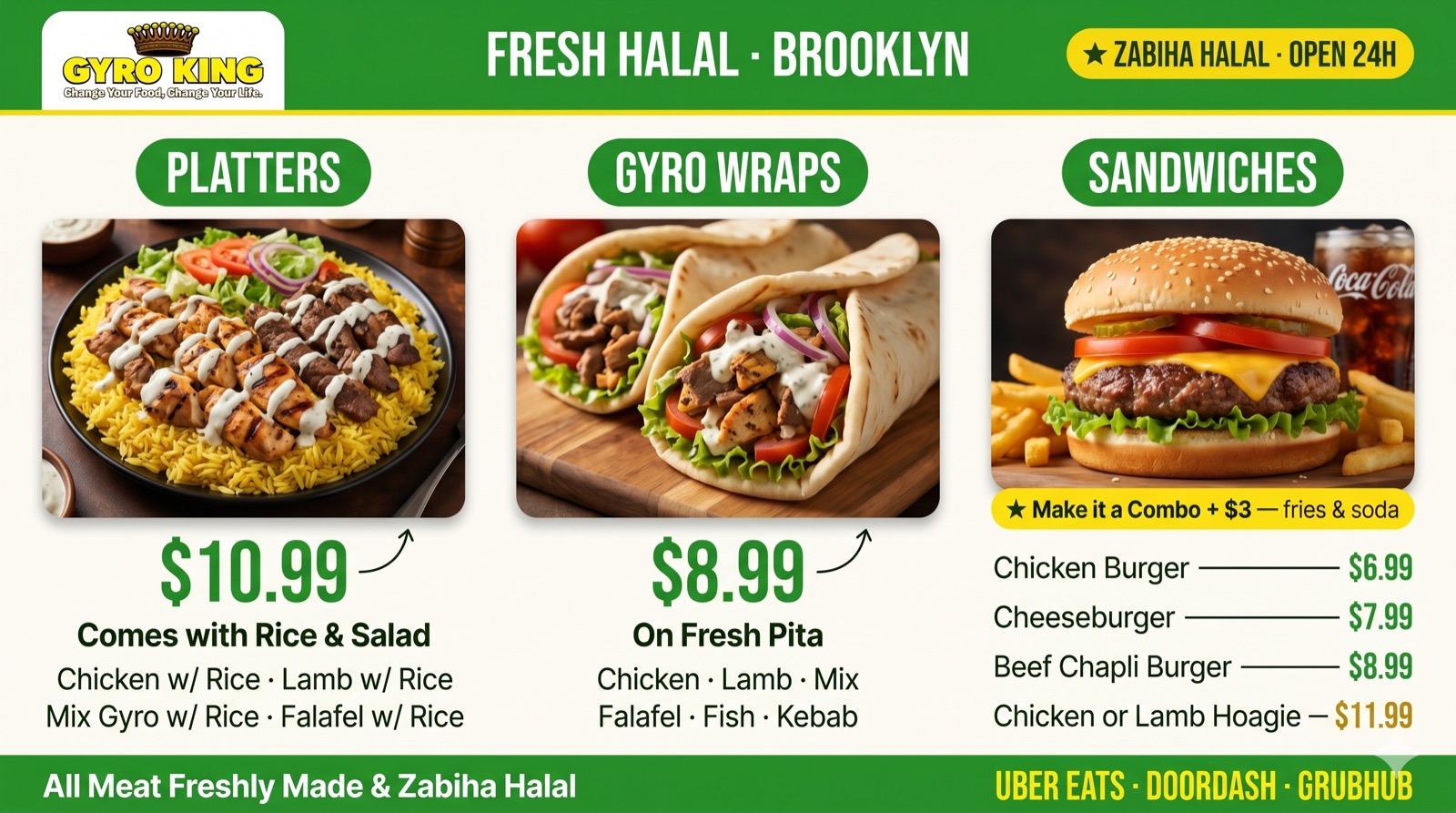
The strongest setup uses each for what it does best. For Gyro King on Flatbush Avenue we make menu films and a TV commercial alongside regular short-form content, and each piece has its own job: the commercial plays on screens, the menu films show the food in detail, and short clips go out as posts. For Ustaad Smash Grill we focus on reels, because their goal is staying in front of local diners week after week.
If you already post reels, look back at your best ones. The dishes, products and people that perform well are usually what a brand film should be built around. If you already have a film, cut it into short clips and use them as reels and ads. Neither should sit unused.
What to prepare before either one
- One sentence that says what you do and who it is for. If you cannot say it, the video cannot either.
- Your three best products, dishes or services, the ones you want to be known for.
- The people who should appear on camera, and their permission.
- Where each video will be used, so it is shot in the right shape: vertical for phones, wide for websites and screens.
- A quiet window to film, before opening or between rushes, so the work looks calm and clean.
For a restaurant's week-to-week posting, our guide on what to post on Instagram each week covers the reel side in detail. If you are weighing up a brand film, see how we approach brand video in New York, or tell us what you have in mind and we will tell you honestly which one to do first. Cost depends on the size of the shoot, so we scope it with you before quoting.