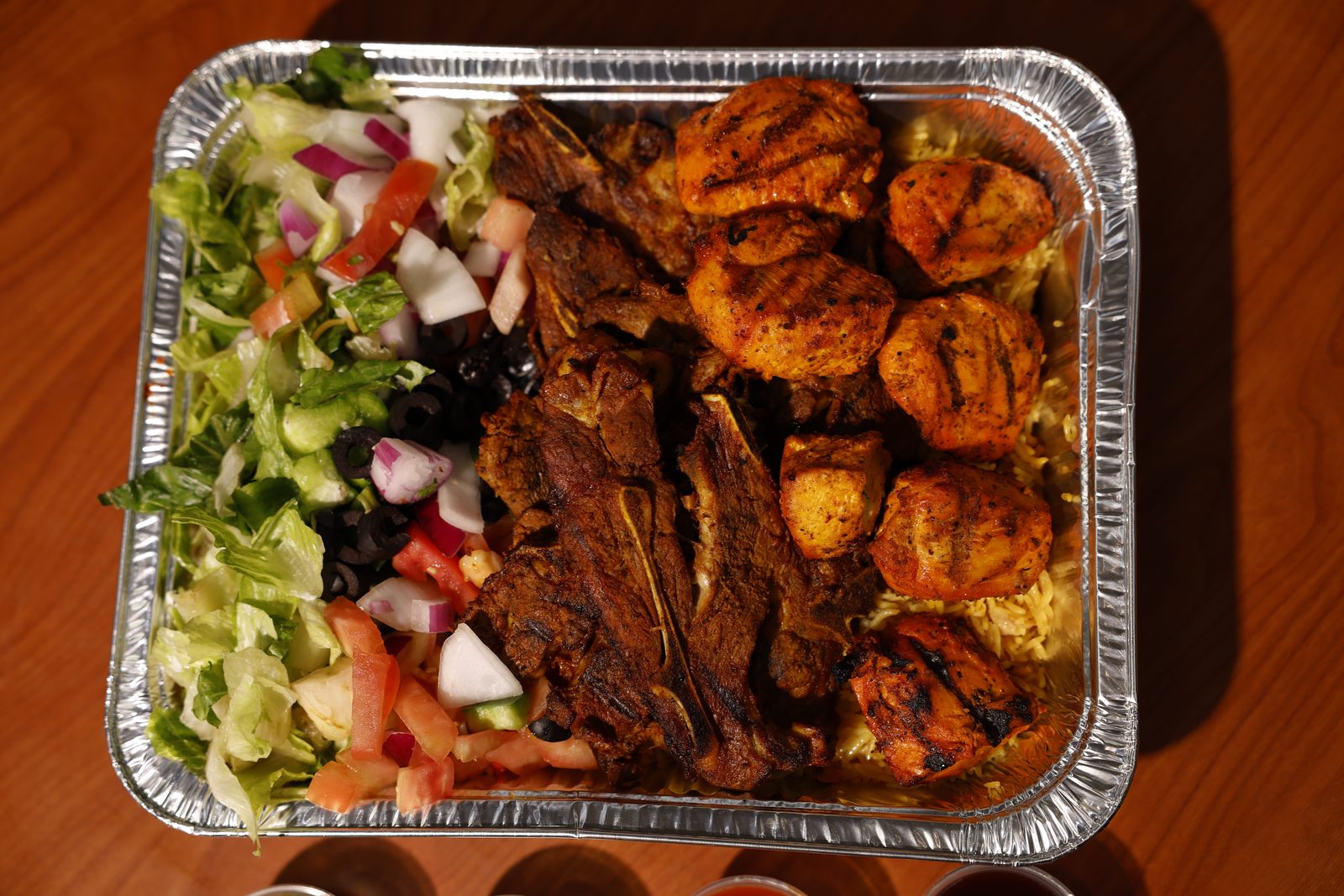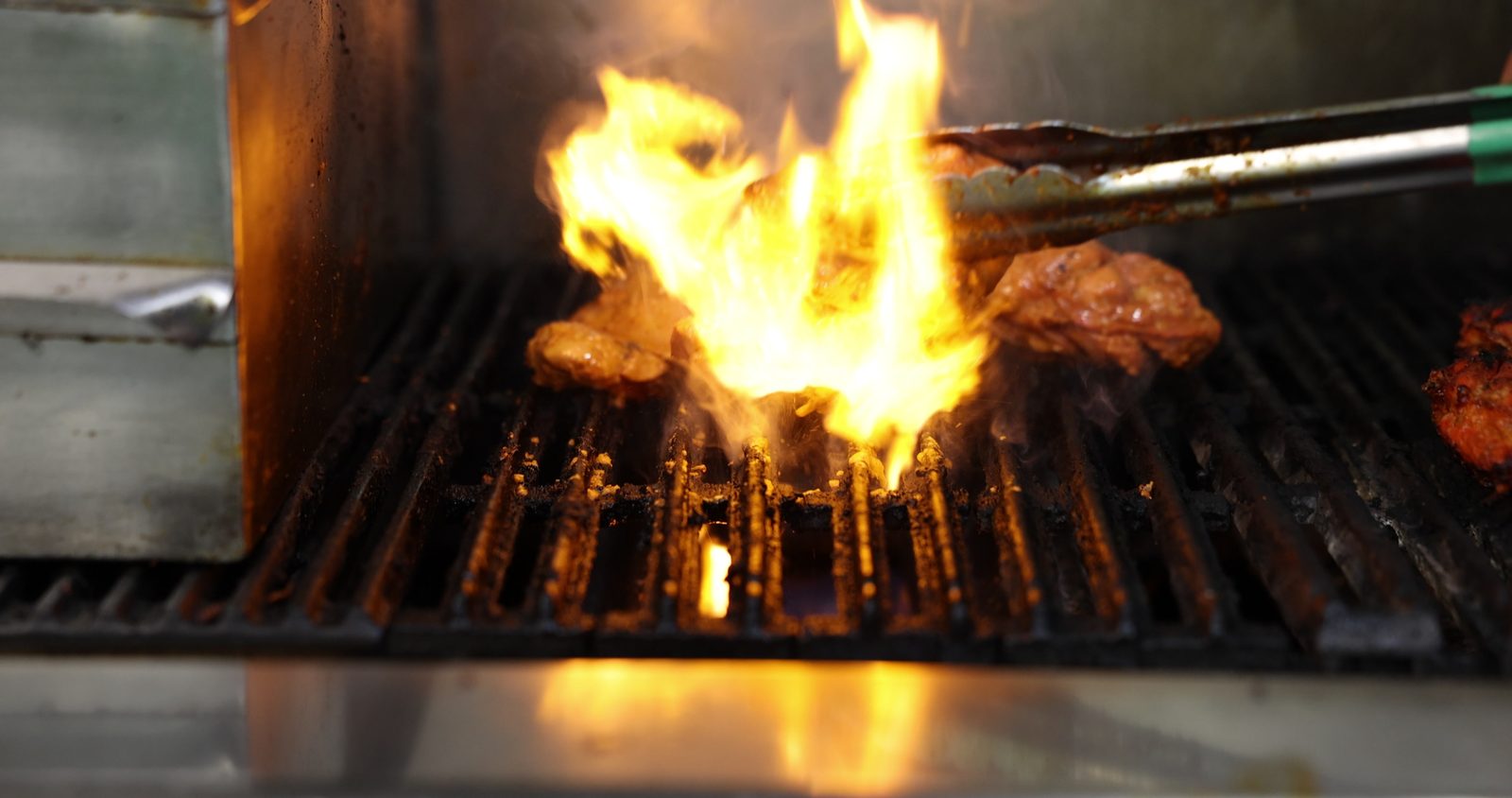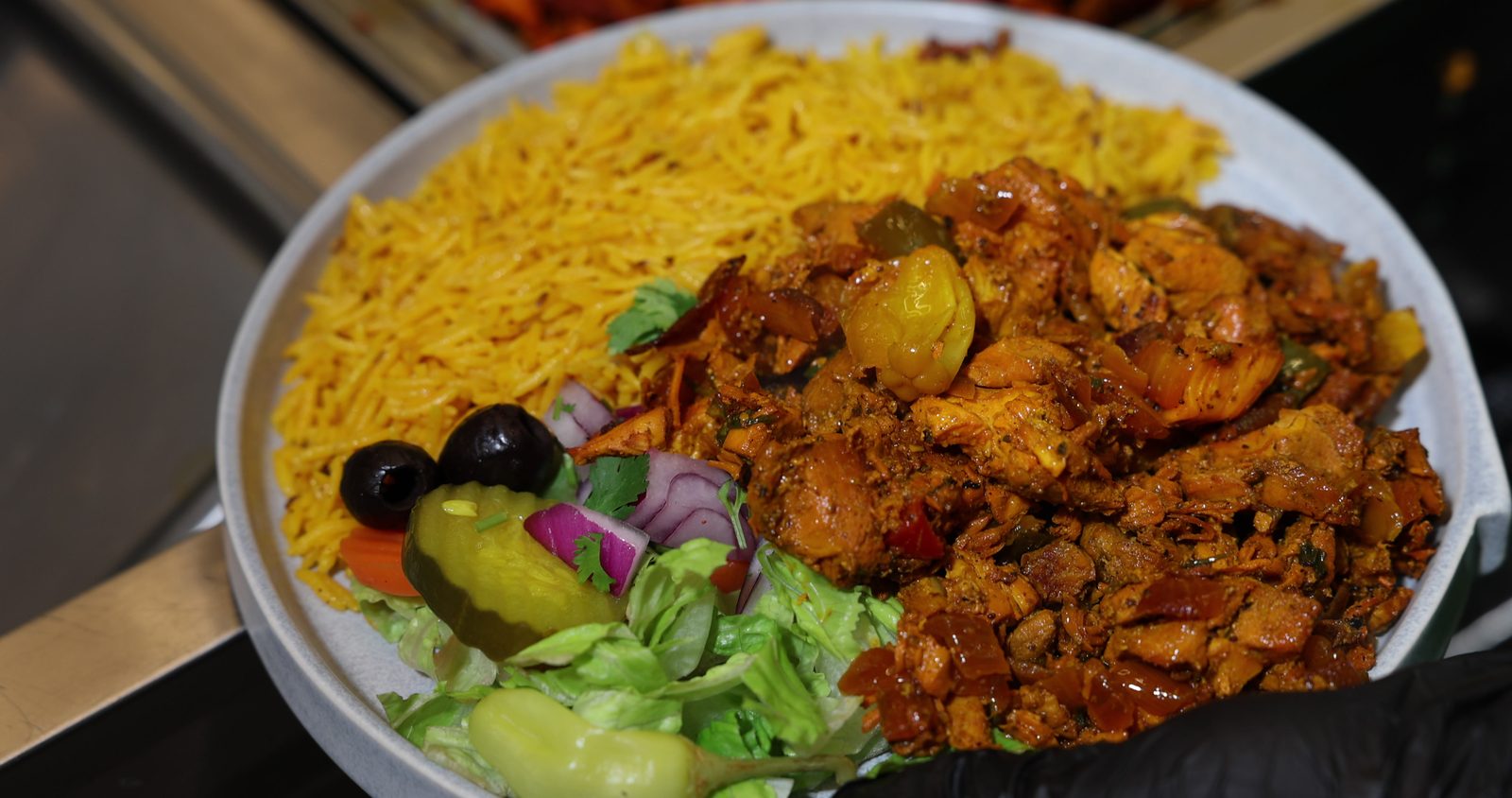
Most restaurants do well with four to six feed posts a week plus a few stories every day. The best mix is three or four short reels of your signature dishes being made and served, one post that shows the people and the kitchen, one post with a clear reason to come in this week (a special, a new item, your hours for a holiday), and stories in between that show what is happening today. That is enough to stay in front of locals without running out of ideas — and all of it can be filmed in a single visit.
Below is the plan we would hand any New York restaurant owner who asks us where to start, and why each piece earns its place.
Why reels of the food come first
People decide where to eat with their eyes, and Instagram now shows reels to people who do not follow you yet. A fifteen-second clip of a platter coming off the grill, sauce going on, and the plate landing on the table does more selling than any caption. It also gets reused: the same clip can run as an ad, sit on your Google Business Profile, and play on a screen in the store.
Keep them short, show the food in the first second, and let the real sound of the kitchen do the work — the sizzle, the knife, the room. You do not need a script. You need good light, a steady camera and a dish that looks the way it tastes.
A weekly plan you can repeat
- 01
Monday — your best-seller, made from start to finish
The dish people already come in for. Show it being built, plated and served. This is the post that should be pinned to the top of your profile.
- 02
Tuesday — behind the counter
Prep at 9am, the grill being lit, the team setting up. It tells people the food is made fresh by real people, which is exactly what a chain cannot show.
- 03
Wednesday — a second dish reel
Rotate through the rest of the menu: sides, desserts, drinks, the lunch special. Over a month this becomes a video menu people can scroll before they visit.
- 04
Thursday — the reason to come in this week
A special, a new item, catering for the weekend, holiday hours. Say it plainly in the first line of the caption and put the address in it.
- 05
Friday — the weekend reel
Your most crave-worthy clip goes out before people make weekend plans. Short, loud, close-up.
- 06
Every day — stories
The tray that just came out, the line at lunch, a regular's order (with their permission), a poll about next week's special. Stories do not need to be polished; they need to be current.
Shoot once, post all month
The reason most restaurants stop posting is that filming every day is impossible during service. The fix is to batch it. One planned visit in a quiet hour — before opening or between lunch and dinner — can produce enough clips for a month: each signature dish filmed from a few angles, the kitchen at work, the storefront, the team. Edit them into reels and stories, then schedule them.
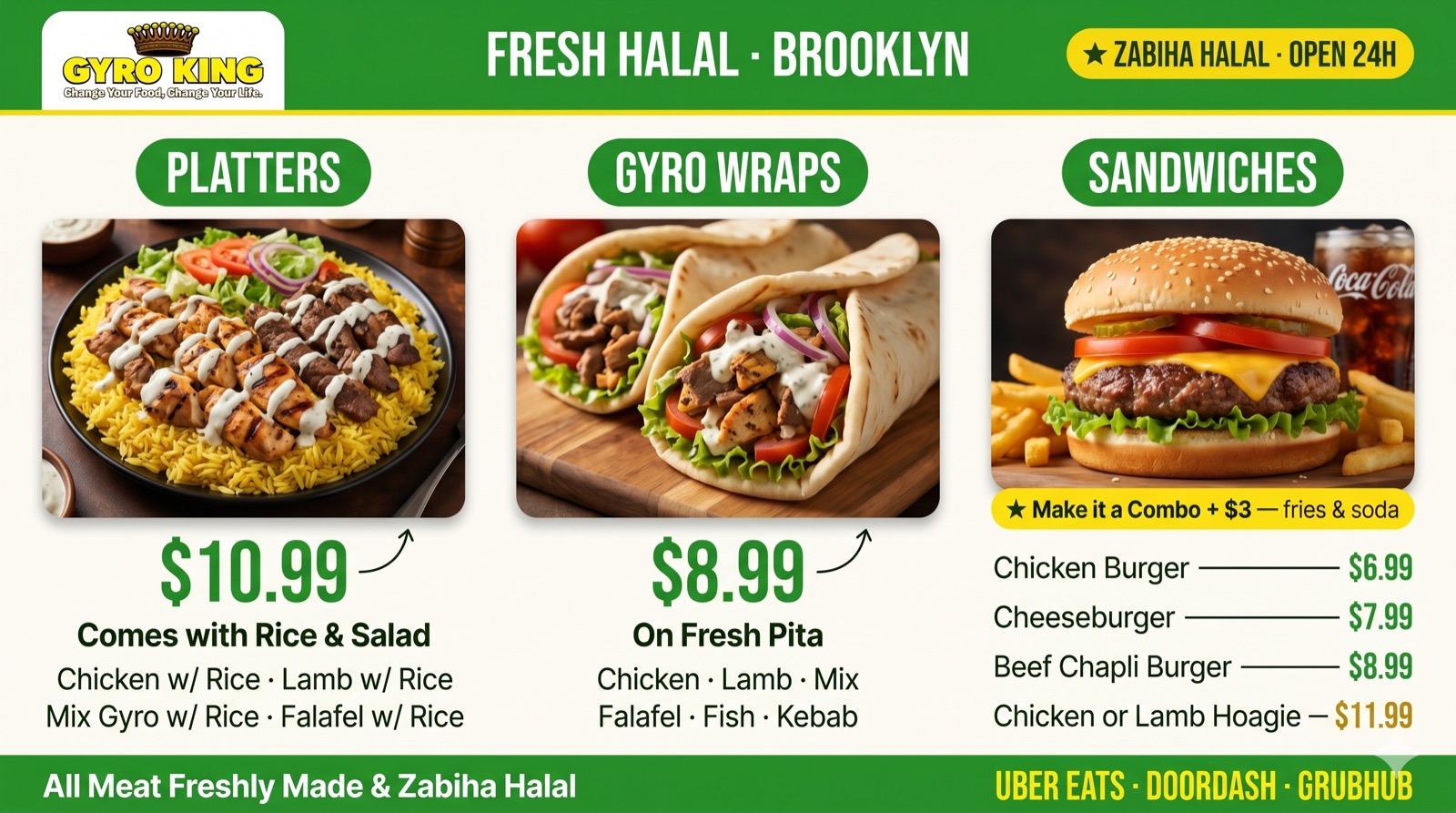
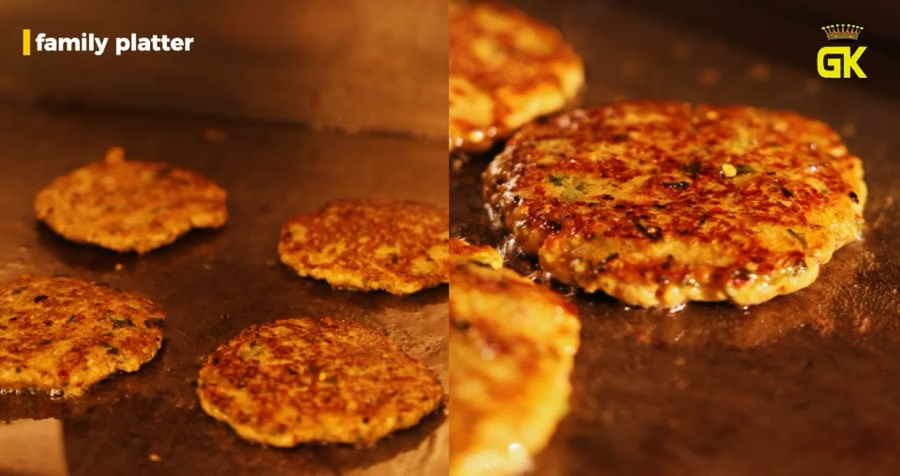
This is how we work with restaurants like Gyro King and Ustaad Smash Grill, whose reels we shoot and edit. For Gyro King, the same kind of shoot also gives us the menu films and the TV commercial.
What to write in the caption
- Name the dish in the first line, the way a customer would order it.
- Say where you are: neighbourhood, cross street, or the borough people search for.
- Give one reason to act now — today's special, catering for this weekend, open late tonight.
- Keep hashtags to a handful that describe the food and the area, not thirty generic ones.
- Reply to comments the same day. A quick answer to "do you deliver?" sells a meal.
What to stop posting
Flat photos of the menu board, blurry pictures taken under kitchen lights, and graphics that are mostly text. They take up a slot in the feed without making anyone hungry. If something needs to be said in words — new hours, a holiday closure — put it in a story, where it belongs.
If a post would not make you hungry scrolling past it at 11pm, it is not ready to go out.
How to tell if it is working
Likes are the least useful number. Look at how many people saved or shared a reel, how many tapped for directions or your website from your profile, and how many messages you got asking about an item. Ask at the counter how people found you. After a month you will know which dishes pull people in — and those are the ones to film again.